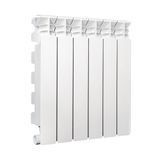
Before the heating system is needed every day, there is still time to inspect it carefully and identify small problems before they become more inconvenient during cold weather.
A minor leak, a stiff valve or corrosion around a connection is much easier to deal with before the heating season starts.
Here are seven key areas to check.
1. Inspect the Radiators
Start with a simple visual inspection.
Look for:
- corrosion;
- moisture around connections;
- leaks near valves;
- mechanical damage;
- stains from previous leaks.
Pay particular attention to the points where the radiator connects to the pipes.
Even if the system is currently dry, old rust marks or dried stains may indicate a previous issue.
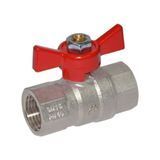
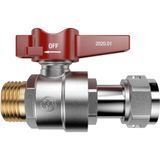
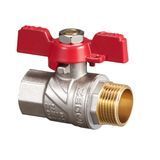
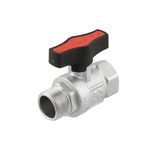
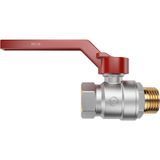
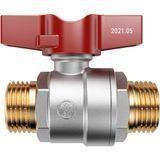
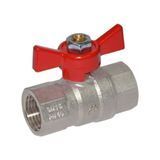
2. Check the Shut-Off Valves
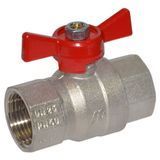
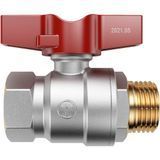
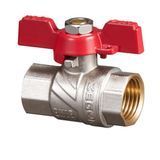
Valves that have barely been used during the warmer months should be checked before the system is fully operating again.
Check:
opening → closing → connections → signs of moisture.
The valve should not have visible damage or leakage.
If it is very difficult to move, sticks or shows moisture around the connection, it is better to deal with the issue before the heating season.
Do not use excessive force on old valves, as this may cause damage.
3. Inspect Threaded Connections
Many potential weak points in heating systems are found around connections.
Check:
- couplings;
- adapters;
- unions;
- tees;
- elbows;
- valve connections;
- pipe-to-fitting joints.
A simple way to check for moisture is to wipe the joint with a dry tissue.
Even a small wet mark may indicate a loss of sealing.
4. Check the Pipes
Inspect all accessible sections of pipework.
Look for:
- cracks;
- deformation;
- corrosion;
- signs of leakage;
- loose supports.
Pay particular attention to areas close to fittings and valves.
Plastic and multilayer pipes should also be checked for mechanical damage and excessive bending.
5. Check Thermostatic Controls
If your radiators have thermostatic valves or heads, check whether the control moves normally through its settings.
After a long period of limited use, the mechanism may not move as smoothly as expected.
It is better to identify this before the first cold days.
If you are unsure whether the valve itself is functioning correctly, contact a qualified specialist.
6. Watch for Signs of Air in the System
After the heating starts, signs of trapped air may include:
- uneven radiator heating;
- a cold upper section;
- bubbling sounds;
- unusual noises.
If the system includes an air vent, inspect its condition.
For central or complex heating systems, do not attempt procedures you are unfamiliar with. A professional should handle work involving pressure or system components when necessary.
7. Do Not Ignore Small Problems
A small drop near a connection or a valve that feels stiff may not seem important during warm weather.
Once the system is operating at temperature and pressure, however, the problem may become more noticeable.
Late summer and early autumn are therefore a good time to replace worn components and inspect questionable connections.
Quick Pre-Season Checklist
Radiators → valves → connections → pipes → thermostatic controls → air vents → leaks.
If you find a problem but do not know the exact name of the part you need, take a clear photo of the connection and the surrounding area.
This can make it much easier to identify compatible components.
Need Help Choosing Heating Components?
Send a photo of the valve, fitting or connection to Komfort and we’ll help you identify the right type, size and compatibility.
CTA: Send a Photo on Telegram